
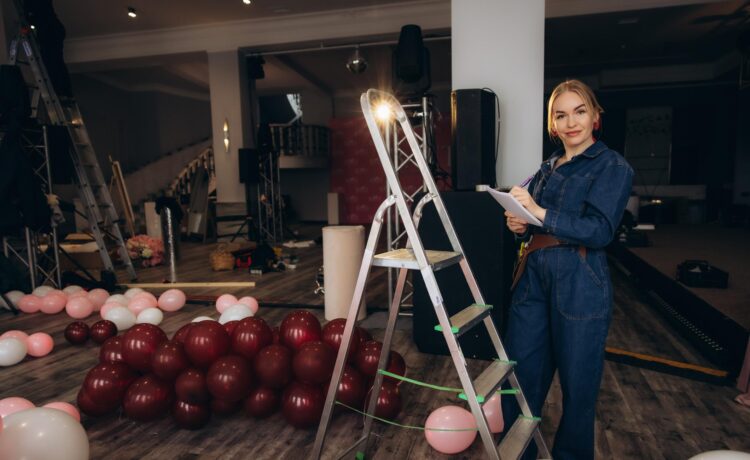
Hosting a successful party involves much more than choosing a date and inviting guests. From the earliest planning stages to the final moments of the celebration, every detail contributes to the overall experience. A well-organized event creates a comfortable atmosphere, keeps guests engaged, and leaves lasting memories long after the party ends.
Whether planning a birthday celebration, wedding reception, graduation party, corporate gathering, anniversary dinner, or holiday event, the key to success lies in thoughtful preparation and smooth execution. Modern parties are increasingly experience-driven, meaning guests expect more than food and music alone. They want connection, entertainment, comfort, and memorable moments.
This complete guide walks through every major step involved in planning and hosting a successful party from start to finish.
Define the Purpose of the Party
Before making any decisions, it is important to clearly define the purpose of the event. The type of celebration influences every aspect of planning, including venue, décor, entertainment, guest list, and budget.
Questions to Consider
Start by asking:
- What is the occasion?
- Who is the target audience?
- What atmosphere should the event create?
- Is the event formal or casual?
- What experience should guests remember most?
A clear vision helps guide every planning decision and prevents unnecessary confusion later in the process.
Establish a Realistic Budget
Budgeting is one of the most important parts of event planning. A realistic financial plan helps prevent overspending and keeps priorities organized.
Common Party Expenses
Typical costs may include:
- Venue rental
- Catering
- Decorations
- Entertainment
- Photography
- Invitations
- Party favors
- Staffing
- Lighting and equipment
It is helpful to separate essential expenses from optional upgrades.
Always leave room in the budget for unexpected costs because last-minute adjustments are common during event planning.
Choose the Right Venue
The venue strongly influences the guest experience and overall atmosphere.
The ideal location should align with the party’s size, style, and goals.
Factors to Evaluate
Important considerations include:
- Guest capacity
- Accessibility
- Parking availability
- Indoor or outdoor options
- Venue restrictions
- Available amenities
Outdoor venues create open and relaxed environments, while indoor venues offer greater control over weather and logistics.
The venue should also support the entertainment, catering, and event flow planned for the celebration.
Select a Theme or Style
Themes help unify the visual and emotional tone of the party.
Even subtle themes create stronger consistency and make the event feel more polished.
Popular Theme Ideas
Modern party themes include:
- Elegant black tie
- Garden party
- Minimalist luxury
- Retro-inspired celebrations
- Tropical evenings
- Seasonal concepts
Themes influence color palettes, invitations, music, dress codes, and decorations.
A strong theme does not need to feel overly theatrical. Simple, cohesive styling often creates the most sophisticated results.
Build the Guest List Carefully
The guest list directly affects the atmosphere, venue size, catering needs, and overall budget.
A balanced guest list helps create a comfortable social dynamic.
Guest List Tips
Hosts should consider:
- Venue capacity
- Relationship dynamics
- Event purpose
- Age groups
- Networking opportunities
For intimate gatherings, smaller guest lists often encourage deeper interaction and stronger engagement.
Larger events may require more structured seating and entertainment planning to maintain energy and organization.
Send Invitations Early
Invitations set the tone for the celebration and provide guests with important details.
Sending invitations early gives attendees enough time to plan and respond.
Information to Include
Invitations should clearly mention:
- Date and time
- Venue location
- Dress code
- RSVP instructions
- Event theme
- Parking or transportation details
Digital invitations have become increasingly popular because they are cost-effective, environmentally friendly, and easy to manage.
For formal occasions, printed invitations still offer a classic and elegant touch.
Plan Food and Beverages Thoughtfully
Food and drinks are central to most celebrations. A carefully planned menu improves guest satisfaction and contributes significantly to the event atmosphere.
Catering Considerations
Important factors include:
- Guest dietary restrictions
- Event duration
- Serving style
- Beverage options
- Portion sizes
Popular serving formats include:
- Buffets
- Plated dinners
- Food stations
- Cocktail receptions
- Family-style meals
Interactive food experiences, such as build-your-own stations or live cooking demonstrations, are becoming increasingly popular at modern events.
Choose the Right Entertainment
Entertainment strongly influences guest engagement and energy levels throughout the party.
The best entertainment matches the audience, event style, and atmosphere.
Entertainment Options
Popular choices include:
- DJs
- Live musicians
- Interactive games
- Photo booths
- Comedy acts
- Dance performances
- Silent discos
Interactive entertainment often creates stronger guest participation than passive performances alone.
Balancing high-energy moments with relaxed social time helps maintain a natural event flow.
Design the Event Layout
The physical setup of the party affects guest movement, comfort, and interaction.
Thoughtful layouts encourage conversation and reduce congestion.
Important Layout Areas
Hosts should plan for:
- Dining spaces
- Dance floors
- Lounge seating
- Food stations
- Entertainment zones
- Photo areas
Flexible seating arrangements work especially well because they encourage guests to move and interact naturally.
The layout should support both social interaction and practical event operations.
Focus on Lighting and Atmosphere
Lighting has a major impact on mood and visual presentation.
Even simple decorations can feel luxurious with well-designed lighting.
Effective Lighting Ideas
Popular options include:
- Warm string lights
- Candlelit tables
- LED uplighting
- Spotlights
- Lanterns
- Dimmed ambient lighting
Lighting should complement the theme while ensuring guests feel comfortable throughout the event.
Music and scent can also influence atmosphere and emotional experience.
Prepare a Detailed Event Timeline
A structured timeline helps the event run smoothly and reduces stress for both hosts and vendors.
Important Timeline Elements
The schedule should include:
- Setup times
- Vendor arrivals
- Guest arrival windows
- Meal service timing
- Entertainment segments
- Speeches or presentations
- Cleanup plans
A flexible but organized timeline prevents confusion and helps maintain consistent energy throughout the celebration.
Coordinate Vendors Effectively
Vendors play a major role in party success. Strong communication ensures everyone understands expectations and timing.
Common Event Vendors
Typical vendors may include:
- Caterers
- Photographers
- Florists
- Entertainers
- Rental companies
- Event coordinators
Confirm details several days before the event to avoid misunderstandings.
Professional vendors appreciate clear instructions and organized communication.
Add Interactive Experiences
Modern parties increasingly focus on guest participation and engagement.
Interactive experiences help create stronger memories and encourage social connection.
Interactive Party Ideas
Popular experiences include:
- Photo booths
- Trivia games
- DIY food stations
- Guest message walls
- Live performers
- Craft workshops
Interactive elements prevent guests from feeling passive and encourage more dynamic energy throughout the event.
Prepare for Unexpected Situations
Even well-planned events encounter unexpected challenges.
Preparation reduces stress and allows hosts to respond calmly when issues arise.
Common Backup Plans
Hosts should prepare for:
- Weather changes
- Equipment malfunctions
- Delayed vendors
- Guest emergencies
- Last-minute cancellations
Having backup supplies, extra seating, and emergency contacts readily available helps avoid unnecessary disruption.
Flexibility is one of the most valuable event management skills.
Be Present During the Celebration
Many hosts become so focused on logistics that they forget to enjoy the event itself.
Once the party begins, trust the preparation process and focus on engaging with guests.
Ways to Stay Relaxed
Helpful strategies include:
- Delegating responsibilities
- Hiring support staff
- Preparing in advance
- Keeping schedules realistic
Guests often respond to the host’s energy. A calm and welcoming host helps create a more relaxed atmosphere overall.
Capture the Memories
Photos and videos preserve important moments and allow guests to revisit the experience later.
Memory-Capturing Ideas
Popular options include:
- Professional photographers
- Instant photo stations
- Video highlight reels
- Guest memory books
- Drone footage for large events
Encouraging candid moments often produces more authentic and emotional memories than heavily posed photography alone.
Follow Up After the Event
Post-event follow-up helps maintain relationships and leaves a positive final impression.
Thoughtful Follow-Up Ideas
Hosts may:
- Send thank-you messages
- Share event photos
- Request feedback
- Post highlight videos
These small gestures help guests feel appreciated and extend the emotional impact of the celebration.
Why Good Planning Creates Better Parties
Successful parties rarely happen by accident. Careful planning allows hosts to create experiences that feel seamless, engaging, and enjoyable for everyone involved.
The best events balance organization with flexibility, elegance with comfort, and entertainment with meaningful human connection.
Modern celebrations are increasingly about creating emotional experiences rather than simply hosting gatherings.
When thoughtful planning meets genuine hospitality, parties become more than events. They become memorable moments that people talk about long after the music ends.
FAQ
1. How far in advance should a party be planned?
Smaller parties may require only a few weeks of preparation, while large events often need several months of planning.
2. What is the most important part of party planning?
Clear organization, budgeting, and understanding the guest experience are among the most important factors in successful event planning.
3. How can hosts reduce stress while planning a party?
Creating detailed timelines, delegating responsibilities, and preparing backup plans can significantly reduce event-related stress.
4. What entertainment works best for modern parties?
Interactive entertainment such as games, photo booths, live performers, and experiential activities tends to create stronger guest engagement.
5. Why is lighting important at events?
Lighting shapes mood, improves visual presentation, and enhances the overall atmosphere of the celebration.
6. Should every party have a theme?
Not necessarily, but themes help create visual consistency and make events feel more intentional and memorable.
7. How can hosts make guests feel more comfortable?
Welcoming environments, thoughtful seating arrangements, interactive activities, and clear communication help guests feel relaxed and included.
